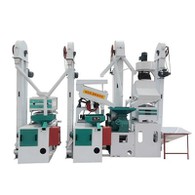



What is 600kg/H Rice Mill
600kg/H Rice Mill It is a kind of rice milling equipment, which includes cleaning and removing stones, shelling by huller, screening by gravity screen, hulling and re screening by gravity screen, whitening by rice mill and screening by crushing screen etc.This complete set of combined rice milling machine is suitable for self-employed and households processing.
Why Choose Us
Rich Experience
Providing technical support, troubleshooting, and maintenance services.
Quality Control
We have won a broad market by virtue of its strong technical force, strict quality control and high-quality service.
Our Service
Our service runs throughout the whole production process from the pre-sales, product design, production and after-sales.
One-stop Solution
Support to customers to ensure a smooth transaction.

NZJ15/15ⅢAG-5 model combined rice mill machine is a special equipment for processing paddy into rice, upgraded debris sieves and the milling chamber are significantly improved the cleanup function and the quality of rice. This small combined rice milling machine is composed of cleaning sieve, stone removing machine, grain hulling machine, grain separation sieve, rice milling machine, elevator, electrical control box and fan.

NZJ15/15Ⅲ Type A combined rice milling machine is designed according to the design experience of the company for many years, combined with advanced equipment in the market. This equipment adopts the modular design scheme, all the main machines can be run separately, also can be successively combined operation, the structure is compact and reasonable, transportation and installation is convenient and quick, the later installation is easy to upgrade.

This model combined rice mill machine is composed of premutation type, which makes the model more intuitive and compact, and strengthens the stability performance. Cleaning stone machine is suction type, so that stone removal effecting is more reliable and also has the function of dust removal.

NZJ20/15A type complete set of rice milling machine is designed according to the company's years of design experience, combined with the market advanced equipment. This equipment adopts the modular design scheme, all the main machines can be run separately, also can be successively combined operation, the structure is compact and reasonable, transportation and installation is convenient and quick, the later installation is easy to upgrade.
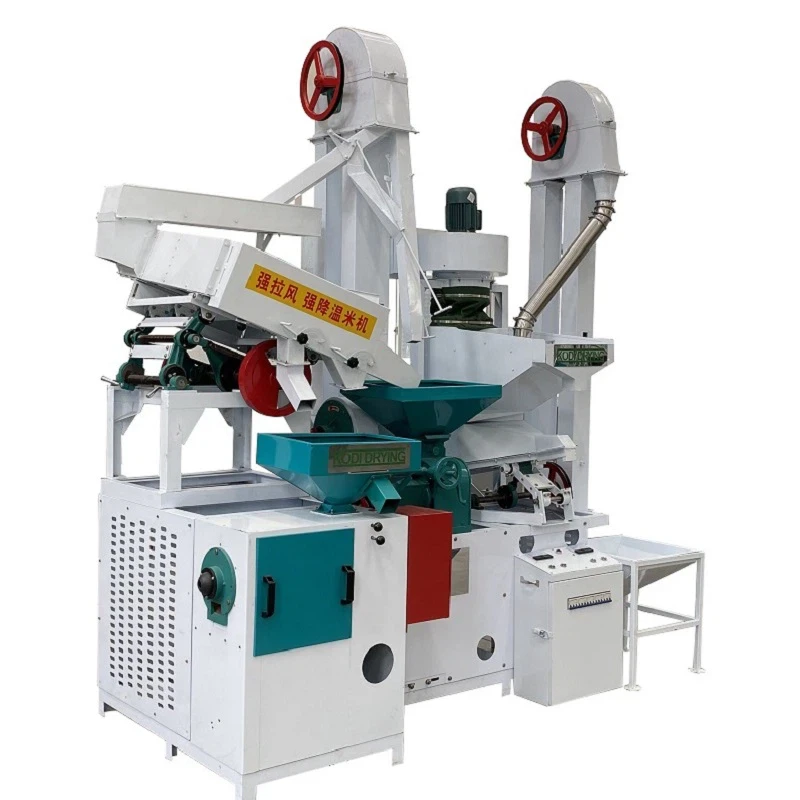
NZJ15/15ⅢAG-5 model combined rice mill machine is a special equipment for processing paddy into rice, upgraded debris sieves and the milling chamber are significantly improved the cleanup function and the quality of rice. This small combined rice milling machine is composed of cleaning sieve, stone removing machine, grain hulling machine, grain separation sieve, rice milling machine, elevator, electrical control box and fan.

NZJ20/15 model combined rice mill machine is designed according to the policy of rural grain circulation in recent years. This equipment is composed of premutation type, which makes the model more intuitive and compact, and strengthens the stability performance. Cleaning stone machine from blowing type to suction type, so that stone removal effect is more reliable and has the function of dust removal.

600kg/H Rice Mill Compact structure, process performance is stable, reliable and durable, easy to install, low energy consumption, and operation and maintenance easy and so on. Ideal for small sets for the current rice-milling equipment.
High separation rate: After the rice processing, no residual is in the gravity sieve and surface is clean and thorough.
Simple process: Process clear, simple and convenient operation.
Unique structure: A compact form factor, small footprint, reasonable design, convenient replacement of wearing parts.
Grinder: Husk can be crushed and mixed with oil bran to discharge.
Using model CT15 huller head part: High peeling rate, good stability and durability
Cleaning
When the rice mill receives the rice from the farmer, the first process done is cleaning. It helps to separate all impurities like straw, dust, clay, and sand. Cleaning the rice helps to increase the oil percentage in the bran.
Stone Separation
Once cleaning is done, the second process is destining, in which the stones are removed. As we know, during harvesting, many stones come along with the paddy, and the removal of the same is a must.
De-Husking
After cleaning and stone separation, the rice is put in the de-husking machine to separate the husk and paddy. In this process, paddy grain is passed through the abrasive surface, and due to the friction, the husk is removed from the paddy grains.
Paddy Separation
During the de-husking process in the rice mill, some unhooked paddy rice remains, and the removal of the same is done by the paddy separation process.
Rice Polishing
Rice polishing is usually done in the rice to remove the bran layer from the paddy either through friction polisher or abrasive.
Rice Parboiling
Rice Parboiling is a three-layered process in which raw rice is sowed in warm or cold water, and then steam is passed at high pressure to gelatinize the rice starch. In the third layer, the final product goes through the drying process.
Sorting Of Rice
Sorting of rice at the rice mill is done before packaging, and it is very necessary to sort the broken and long grains from the rice stock. After sorting, the rice is graded based on quality.
Packaging
Last but not least, the packaging is the final process, in which the rice is packaged in gunnies or plastic sacks, and thereafter it is weighed. After the above process, a seal is marked to show the weight and grade of the rice.
The Functions of Various Rice Mill Machinery
In the past few years, there has been a steady growth in the rice mill industry. Milling is a step that happens during the post production of rice. Paddy cannot be consumed in its raw form and has to undergo certain procedures in order to be fit for consumption. The purpose of a milling plant is to rid rice of all its impurities by removing the husk and bran layers. The increase in the population means more mouth to feed. This requires an increase in the production of rice and more rice mills for the processing of the raw product. These rice mills require a variety of machinery for operation, some of the machineries used in a rice mill plants are:
Destoner: Destoner is the most common and efficient machine that is used at every rice mill machinery. Grain products are always filled with stones and other impurities. The destoner separates stones, sand particles and every kind of impurity from the grain. The bulk first passes through a primary sieve that separates the sand and stone particles from the paddy. After which the bulk goes through a secondary sieve with the help of a fan for further segregation. The airflow in the chamber separates the lighter products and discharges the heavy debris from the sieve.
Paddy Husker: The function of paddy husker is to remove the husk from the product. The paddy through a feed is introduced into the husker where the husk is removed from the product with the help of rubber rolls in a compressed air shaft. The husk is removed as the product passes through the chamber.
Paddy Separator: Even after going through various machineries, there are some fine contaminants that remain with the grain. Paddy separator is an important machinery in every rice mill plant whose function is to separate fine contaminants from stock paddles. Rice is fed to the paddy separator where rice is separated from the residue paddy. This machinery requires little space and maintenance.
Thickness Grader: After going through different types of processing, the individual grains have to be sorted according to size and thickness. This is what a thickness grader machine does, it groups the individual grains according to their size and puts the grains with identical thickness together. This machinery is used to separate a variety of products including beans.
Abrasive Whitening:This is another important procedure that the rice grains go through post production where grains are polished to give them a shining white look. The white rice we purchase in the market comes in various shade of white ranging all the way to brown. It is abrasive whitening technique that gives them the polished finish look that is eventually sold in the market.
Rice, one of the world's most generally eaten staple food varieties, is critical to worldwide food security. The course of rice creation includes a few phases, with rice milling being a pivotal step that decides the quality and worth of the result. Customary strategies for rice milling are work escalated and tedious, impeding efficiency and, by and large, productivity. Notwithstanding the coming of present-day technology, the presentation of Rice Milling Machines has altered the industry, offering surprising upgrades concerning proficiency, flexibility, and quality.
What is Rice Milling Machines?
A Rice Milling Machine is a progressive device in the agriculture industry that has changed the handling of rice. With cutting-edge innovations, these machines proficiently husk, clean, sort, and bundle rice, further developing efficiency and quality. They eliminate contaminations, improve consistency, and hold fundamental supplements and fragrances. Rice milling machines are savvy, help productivity, and add to natural maintainability. They assume a pivotal part in satisfying the worldwide need for excellent rice and are essential for a prosperous rice industry.
The Evolution of Rice Milling Machines
The rice milling process has developed fundamentally throughout the long term, attributable to mechanical headways. At first, challenging work and simple devices were utilized to eliminate husks and clean rice grains. Notwithstanding, the presentation of motorized rice milling machines changed the industry. These machines are planned with imaginative elements to computerize and smooth out the milling system, diminishing human exertion and expanding yield.
Increased Productivity with Rice Milling Machine
Rice milling machines have essentially upgraded proficiency in the rice creation process. With solid engines and high-level systems, these machines can handle enormous amounts of paddy rice in a limited capacity to focus time. Via robotizing errands like husking, isolating, cleaning, and reviewing, rice milling machines are have limited the requirement for challenging work, decreasing expenses and expanding efficiency. With the capacity to handle rice at high paces, they have become imperative for enormous-scope rice mills, permitting them to fulfil the market's developing needs successfully.
Versatility and Customization with Rice Milling Machine
Rice milling machines offer various customization choices to take special care of different milling prerequisites. They can be acclimated to oblige various assortments of rice, considering excellent handling given exact grain sizes, surfaces, and characteristics. Moreover, these machines can be arranged to endlessly create different rice results like grain, and broken rice flour, augmenting the use of the raw material. This flexibility has empowered rice mill operators to adjust to changing customer inclinations and market requests, offering buyers worldwide a comprehensive exhibit of rice items.
Rice Milling Machine Improves Quality Control
Quality control is central in the rice industry, as buyers request rice that is perfect, uniform, and liberated from pollutants. Rice milling machines assume an essential part in guaranteeing excellent rice creation. The exact and predictable milling process worked with by these machines ensures grain size consistency and limits broken grains' presence.
Conclusion
The rise of rice milling machines has dramatically changed the rice creation industry. With their outstanding productivity, flexibility, and capacity to guarantee excellent rice yield, these machines have become imperative for rice mills worldwide. As technology progresses, further developments in rice milling machines are standard, guaranteeing a more promising time to come for the rice industry, one that satisfies the needs of a developing populace while streamlining asset usage and advancing food security.
Rice Mill Layout Plant Trends: What's New in Design and Efficiency


In the ever-evolving world of grain milling solutions, staying updated with the latest trends and advancements in rice mill layout plant design and efficiency is crucial. To meet the growing demands of the industry and ensure optimal performance, it's essential to adapt to the latest innovations. Let's explore the recent developments that are revolutionizing the world of rice milling.
Streamlined Rice Mill Layouts for Enhanced Productivity
Efficiency is the cornerstone of any modern rice mill layout plant. Design trends are now focusing on streamlining the entire process, from raw grain intake to final product packaging. Here's how these innovative layouts are making a difference:
Automated Grain Handling
The integration of automated grain handling systems has significantly improved the efficiency of rice mills. With conveyor belts, robotic arms, and sensor technology, the process of moving grains from one stage to another is now faster and more precise. This reduces manual labor, minimizes human error, and boosts productivity.
Compact and Space-Efficient Designs
Space optimization is a key consideration in modern rice mill layouts. By utilizing compact designs and vertical storage solutions, mill owners can make the most of limited space while maintaining high production capacities. This trend is especially beneficial for millers operating in urban areas where space is a premium.
Energy-Efficient Machinery
The adoption of energy-efficient machinery is a growing trend in rice milling. Newer milling equipment is designed to consume less power while delivering the same or even better results. This helps with sustainability initiatives in addition to lowering operating costs.
Sustainable Practices for Eco-Friendly Milling
As the world becomes more environmentally conscious, rice mill layout plants are increasingly focusing on sustainability and eco-friendly practices. These measures not only benefit the environment but also appeal to eco-conscious consumers. Moreover, businesses that prioritize sustainability often enjoy a competitive edge and increased customer loyalty. Additionally, this commitment to eco-friendly practices can lead to long-term brand trust and consumer satisfaction.Here's what's new in this regard:
Waste Reduction and Recycling
Efforts to reduce waste and promote recycling are at the forefront of modern rice milling solutions. By repurposing byproducts and utilizing waste materials in innovative ways, rice mill layout plants are minimizing their environmental footprint.
Water Management Solutions
Water is a vital resource in rice milling, and efficient water management is a top priority. The latest designs incorporate advanced water treatment systems to minimize water usage and reduce contamination, thereby preserving this precious resource.
Solar Power Integration
Harnessing solar energy for powering rice mills is a progressive move towards sustainability. Solar panels integrated into the mill's infrastructure provide a renewable and cost-effective source of energy, reducing reliance on non-renewable power sources.
Technological Advancements for Precision Milling
In the digital age, technology plays a significant role in enhancing the efficiency and precision of rice milling operations. Here are some technological advancements that are shaping the future of grain milling:
IoT and Data Analytics
The Internet of Things (IoT) has made its way into rice mills. Sensors and data analytics tools are being used to monitor various aspects of the milling process in real time. This data-driven approach allows for immediate adjustments and optimization, resulting in higher quality and more consistent products.
AI-Powered Sorting
Artificial Intelligence (AI) is being employed in grain sorting processes. AI-driven sorting machines can identify and eliminate impurities and defective grains with incredible accuracy, ensuring the final product meets the highest standards.
Remote Monitoring and Control
Remote monitoring and control systems allow mill operators to oversee operations from anywhere, even from a mobile device. This convenience enhances efficiency and minimizes downtime.
In the rice milling process, efficiency isn't merely a target; it's an essential requirement. The operation of your rice mill at its highest capacity is not only a means to enhance productivity but also a pathway to elevate overall profitability. In this context, we offer ten invaluable suggestions to aid you in maximizing the efficiency of your rice mill.
Prioritizing Maintenance
Consistent maintenance forms the foundation for achieving optimal performance. Through regular inspections, diligent maintenance, and swift resolution of emerging issues, you can proactively prevent unexpected breakdowns, ensuring a steady and reliable output from your equipment.
Control Moisture Levels
Moisture content directly impacts milling quality. It's crucial to monitor and regulate moisture to prevent excess moisture that can compromise efficiency.
Optimal Parameter Settings
Fine-tune attributes such as clearance, pressure, and speed according to the manufacturer's recommendations. These precise adjustments Exert a significant influence on the output's quality and performance.
Improving Rice Mill Efficiency
In the realm of rice milling, efficiency isn't just a goal. The operation of your rice mill at its highest capacity not only enhances productivity but also lays the foundation for increased profitability. This journey toward efficiency is anchored in the unwavering commitment to maintaining exceptional quality and unwavering precision.
Quality Grading
Before milling, engage in meticulous pre-sorting of your rice. This practice doesn't solely enhance overall quality, but it also alleviates unnecessary strain on the mill, culminating in heightened efficiency.
Power Usage Surveillance
Vigilantly monitor power consumption patterns. Sudden surges may signal irregularities within the milling process that warrant immediate attention.
Maintaining Precision with Sharp Tools
Regularly scrutinize and uphold milling tools' sharpness. Blunt tools not only impede efficiency but also possess the potential to harm rice grains.
Optimal Airflow Management
Adequate ventilation is paramount to forestalling overheating throughout the milling process. Efficient blowers are pivotal in facilitating uniform processing.
Consistent Cleaning Regimen
A spotless machine is a productive one. Routinely purge chaff, dust, and residue to sustain seamless operation.
Ensuring Uniformity in Input
Uphold uniformity in batch size. Homogenous input dimensions correlate with consistent output quality and heightened efficiency.
Skilled Operators
Adequately train your operators in skillfully maneuvering the machinery. Competent operators comprehend the nuances, thereby yielding superior outcomes and augmented efficiency.
Bear in mind that these guidelines are meticulously curated to help you extract the utmost potential from your rice mill. By implementing these strategies, not only can you achieve heightened efficiency, but also prolong your machinery's lifespan while augmenting profitability.
Our Factory
Our factory covers an area of 43000 square meters, and has more than 100 employees, of which technical personnel account for 10%. Our factory is located in Benniu Town, Xinbei District, Changzhou City, close to the Shanghai-Nanjing Railway, Shanghai-Nanjing Expressway, only 5 kilometers away from Changzhou Airport, the geographical location is very superior.


FAQ
Q: What are the two main types of rice mill?
Q: What are the effects of rice mill?
Q: What happens when you mill rice?
Q: Is milled rice better?
Q: Why do they mill rice?
Q: Can you mill rice at home?
Q: What is the yield of rice milling?
Q: What is the recovery rate for rice milling?
Q: What is the brief description of rice mill?
Q: How do you use a rice milling machine?
Pre-cleaning the paddy prior to milling.
Removing the husk or outer layer from the paddy.
Rice milling section.
Polishing or whiting the brown rice to remove the bran layer.
Separating the broken grains from the whole kernels.
Color Sorting.
Bagging the milled rice.
Q: What is modern rice milling process?
Q: What is the traditional method of rice mill?
Q: What are the raw materials for rice mill?
The basic raw material for the unit is paddy which is locally available. The total requirement of paddy for an output of 600 tonnes will be 750 tonnes at recovery rate of 80%.
Q: What are the different of conventional milling and modern milling?
Q: What is the husk of rice mill?
Q: What are the 2 parts of rice that are removed during milling?
Q: Which nutrient is lost during rice milling?
Q: How much power does a rice milling machine use?
Q: What is the use of compressor in rice mill?
Q: How do you calculate rice mill capacity?
Hot Tags: 600kg/h rice mill, China 600kg/h rice mill manufacturers, suppliers, factory, mini auto rice mill, rice milling husker, paddy husker machine rice mill, automatic rice mill machine, Vibrating Paddy Cleaner, paddy Husker