


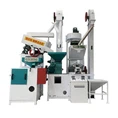


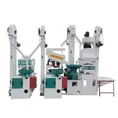
Rice Mill Single Machine
What is Rice Mill Single Machine?
Rice Mill Single Machine. removes the husk and bran in one pass and produces white rice directly from the paddy. 3.23. well milled rice. rice grain from which the hull, germ, outer bran layer, and greater part of the inner bran.
Why Choose Us
Rich Experience
Providing technical support, troubleshooting, and maintenance services.
Quality Control
We have won a broad market by virtue of its strong technical force, strict quality control and high-quality service.
Our Service
Our service runs throughout the whole production process from the pre-sales, product design, production and after-sales.
One-stop Solution
Support to customers to ensure a smooth transaction.


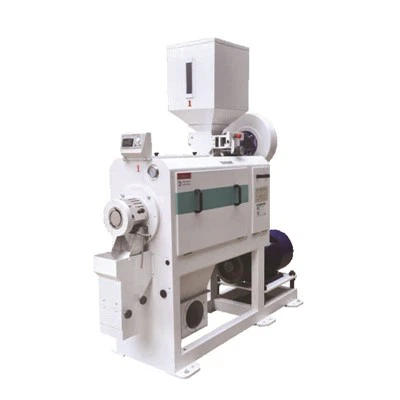


A Rice Mill Single Machine is a machine designed to process raw rice into polished rice. It typically goes through several stages:
Cleaning: Raw rice is loaded into the machine, where it undergoes cleaning to remove debris, stones, and other impurities.
Hulling: The outer husk or hull of the rice grain is removed. This process reveals the brown rice (with the bran layer still intact) underneath.
Milling: The brown rice passes through a milling chamber where it is ground to remove the bran layers, resulting in polished white rice.
Separation and Grading: The rice is separated by size and weight through various sieves and processes. This helps in grading and sorting the rice into different categories.
Polishing (optional): Some machines have an additional step for polishing the rice to give it a shiny, more attractive appearance.
The overall process involves a combination of machines and various components that work together to transform raw rice into the polished, market-ready product we commonly use for cooking.
Using a rice mill machine offers several benefits, making it a valuable tool for individuals, households, and small-scale rice producers. Here are the key benefits of using a rice mill machine:
Cost Savings: Processing raw paddy with a rice mill machine can be more cost-effective than buying pre-milled rice. Over time, this can lead to significant savings, especially for households with high rice consumption.
Access to Fresh and High-Quality Rice: A rice mill machine allows you to process rice on-demand. This means you have access to freshly milled rice with superior taste and texture compared to pre-packaged varieties that may have been stored for extended periods.
Customization: Many rice mill machines come with adjustable settings, allowing you to customize the milling process. You can choose the level of polishing and texture that best suits your culinary preferences.
Nutritional Benefits: Freshly milled rice retains more of its natural nutrients compared to rice that has been processed and stored for an extended period. Using a rice mill machine allows you to enjoy the full nutritional benefits of rice.
Reduced Waste: Rice mill machines are designed to minimize grain wastage during the milling process. This is particularly important for small-scale rice producers, as it ensures that more of their harvested rice is usable.
Empowerment of Small-Scale Producers: In rural areas where rice farming is a primary source of income, a rice mill machine empowers small-scale farmers by enabling them to process and market their own rice. This reduces their dependence on intermediaries and increases their profitability.
Food Security: Having the capability to process rice locally using a rice mill machine contributes to food security. It reduces reliance on external suppliers and ensures a steady supply of rice, especially in remote or rural areas.
Quality Control: With your own rice mill machine, you have greater control over the quality of rice you produce. This is important for maintaining specific standards, such as organic or heirloom varieties.
Income Generation: For some, a rice mill machine can be a source of additional income. They can offer milling services to neighboring farmers or communities in exchange for fees.
Environmentally Friendly: Using a rice mill machine locally reduces the need for long-distance transportation of rice, which can contribute to lower carbon emissions and a reduced environmental footprint.
Preservation of Traditional Varieties: For those interested in preserving traditional or heirloom rice varieties, having a rice mill machine allows them to process and share these unique grains with their communities.
The Key Components of Rice Mill Single Machine
Paddy Separator
A paddy separator is an integral part of rice mill machinery that helps in separating the paddy from the rice. It ensures that only rice grains, free from husks, pass through for further processing.
Husker
The husker is responsible for removing the husk or outer layer of the rice grain. It uses friction to remove the husk efficiently, leaving behind the brown rice.
Polisher
The polisher is where the brown rice gets its shiny white appearance. It removes the bran layer from the brown rice, resulting in the polished white rice that we commonly consume.
Whitener
The whitener further refines the appearance of the rice by removing any remaining bran residues. It ensures that the rice grains are pure white and ready for packaging.
Grader
The grader classifies rice grains based on size and separates them into different categories. This ensures uniformity in the final product and allows for packaging according to specific grain sizes.
Color Sorter
A color sorter is a modern addition to rice mill machinery. It uses optical sensors to identify and remove discolored or defective grains, ensuring that only high-quality rice is packed for consumption.
What is the Application of Rice Polisher in the Rice Milling Process
What Is Rice Polishing?
Rice polishing is an indispensable process for producing high-quality refined rice in rice mill plant. The polishing treatment can not only remove the floating bran on the surface of the rice grains, but also play the role of pre-gelatinization and gelatinization of the starch on the surface of the rice grains.
Rice polisher for sale in rice mill production line
The degree of starch pregelatinization and gelatinization on the surface of rice grains depends entirely on the effect of water and heat or the addition of edible throwing aids during the rice polishing process. Polishers that can produce hydrothermal effects can achieve good polishing results. It is a very important equipment in rice mill plants.
The Principle of Rice Polishing Machine
Treating the surface of the rice grains can make the rice grains crystal clear and transparent, and form a very thin gel film on the surface of the rice grains. This process is called rice polishing. The main function of the rice polishing machine is to remove the bran powder adhering to the surface of the white rice. After the surface of the rice is polished, there is a protective layer of wax, which can not only prevent the rice bran from sticking or falling off in the production, storage, transportation, and sales links, ensure the cleanness of the rice, but also improve the quality and commodity value of the finished rice , Is conducive to the storage of rice, maintains the freshness of rice, and improves the edible quality of rice.
Working Process of Rice Polishing Machine
The white rice milled by the rice mill to the standard one-meter accuracy flows down from the feed port into the polishing room, and at the same time, the heated water (used when the room temperature is lower than 15°C) is passed through the flow meter through the rubber tube through the temperature-controlled water tank. The air-water mixing nozzle forms water mist through high-pressure air and enters the hollow main shaft impingement area.
Rice polisher stucture
Under the action of strong negative pressure suction, the water mist passes through the main shaft and the vent holes of the polishing roller and enters the surface of the polishing roller to mix with rice and adhere to it. On the surface of the rice grain, the surface of the rice grain is moistened and softened. Through the rotating movement of the polishing roller in the polishing chamber, the rice grains are continuously moved in the polishing chamber.
During the movement, relative movement, relative friction and squeezing occur between the rice grains, between the rice grains and the polishing roller, and between the rice grains and the rice sieve. Because the surface of the rice grains is wet and soft, this friction will remove the bran powder and acne on the surface of the rice grains on the one hand. On the other hand, the starch layer on the surface of white rice undergoes gelatinization and crystallization during the friction extrusion process to form a bright protective film, which improves the surface finish and prolongs the storage time of the later rice. The fine rice bran and fine chips produced during the polishing process are removed from the machine through the rice sieve under the action of negative pressure and strong suction.
Characteristics of Rice Polishing Machine
● The surface of the rice polished by the automatic water adding constant temperature device and the multi-position spray device is smooth and translucent. Greatly increase the commodity value of rice. To
● Novel design, beautiful appearance, convenient operation, stable and reliable mechanical performance. To
● According to the shape, length, moisture and quality of rice, stabilize different polishing schemes and improve the professional performance of the polishing machine. To
● Improve the commercial value of rice and extend the shelf life of rice. To
● The built-in single-roller polishing machine has the characteristics of small footprint and convenient installation and operation.
Main Structural Features and Functions of Rice Polishing Machine
The main structures of various types of rice polishing machines are similar. They are mainly composed of a spraying part, a polishing part, a water supply system and a blower mechanism. The feeding device and the discharging device are also

In India, where agriculture is still the main livelihood of the people, there is a lot of demand for industries dependent on agriculture, so starting a rice mill business here will prove to be a profitable deal. With efficient rice mill machines, you can create your rice milling plant.
Rice is one of the main crops of India; it provides food to 65 percent of India's population. This is the crop of our country, which is planted on 37 percent of the country's total irrigated land and contributes to 44 percent of the entire food grain production in India.
But before beginning with a rice mill plant, it is essential to know the different types of rice mill machines used in the milling plant. Let us tell you that you can also connect with a rice mill consultant to establish your milling plant.
Below are the most popular types of rice mill machines, scroll down and learn more about the mill machines.
Types Of Rice Mill Machines
● Rice Cleaning Machine – The rice cleaner machine is meant to simultaneously remove large, middle, small, and light impurities from grain.
● Rice Destoner Machine- It is a rice processing machine that helps you separate stones, sand, and other unwanted elements from rice, paddy, etc.
● Husker Machine- Husker is a machine commonly used in rice milling plants that removes the trash from the grains. There are various alternatives to husker, but this works more efficiently.
● Rice Color Sorter- A rice color sorting machine, also named rice color sorter, separates rice grains according to color differences in raw rice arising from anomalies.
● Rice Whitener Machine- The rice whitener incorporates advanced techniques to whiten brown rice. This is one of the most commonly used machines in the agriculture industry.
● Grain Dryer- The grain dryer machine sucks the water and moisture from grains and rice, preventing spoilage. With the help of a grain drying machine, you can store grains for a longer time.
Installation
After you have completed buying the machine, now is the time for rice milling installation. For this work, you will need a trained person, who knows this thing. You do not need to worry much about this process because most companies provide installation on your own. The successful installation of the machine requires ample time, so it requires some patience from the owner.
What Is the Small Rice Mill Used For
The rice milling machine is mainly composed of power, feed, milling, and separation systems. The mechanical force generated by the milling machine is used to dehulling and whiten brown rice, and the mechanical equipment used is called a rice mill. There are three main types of small rice miller machines: separate rice mills, combined rice dehulling and milling machines, and air-jet rice mills. One of the most popular is the combined rice dehulling and milling machine.
The mini rice mill is a new generation product, which can complete the work of dehulling and grinding. It mainly used for rice processing, but also sorghum or larger millet. During processing, the rice husk is first peeled and then whitened. The whitening degree can be adjusted according to customer needs. Brown rice, germ rice, and polished rice can be produced.
What Are the Advantages of a Mini Rice Mill
The small rice mill machine is relatively small in size, simple in structure, low in price. It is easy to install and operate, and easy to transport. Many people like small rice mills. The mini rice mill is suitable for removing part or all of the dark brown husk. Separating paddy from rice during production and processing to improve work efficiency and improve rice quality. The production and processing of a small rice milling machine not only preserves the freshness of rice but also preserves its initial color, fineness, and nutrient content of rice.
How to Improve the Efficiency of Small Rice Milling Machine
The main basis for the adjustment of the rolling distance is the requirement for the grinding effect of a single rice mill machine in the rice processing technology. The main purpose of rolling distance adjustment is to make the grinding rate of the equipment meet the technological requirements. Frequent maintenance and maintenance of processing equipment can improve work efficiency. When small rice mills are running, they often leave some impurities in corners. These impurities will become very difficult to clean, which will increase the abrasion of the small rice mills and cause the milling quality of the processing equipment. decline. Do a good job of lubricating and sealing for small rice mills, so as to ensure that small rice mills do not experience high temperatures, avoid malfunctions, and improve efficiency.
What Is the Mini Rice Mill Machine Price
Mini rice mills are recognized by users in various countries in terms of performance, processing, and appearance. It has the characteristics of small size, flexible operation, and convenience, and is most suitable for use in supermarkets, retail, and small processing points. So the price of a small rice mill is something that every family can afford. Of course, it will vary according to the model, output, and other factors, but the price is relatively cheap.

Rice is the staple food for millions of people worldwide, making rice milling an essential process. Mini rice mill machines have become increasingly popular in recent years, with many households opting to have one at home.The machine is easy to operate, and it requires minimal maintenance, making it a perfect investment for households.
Benefits of Using a Mini Rice Mill Machine:
Cost-Effective: Using a mini rice mill machine is more cost-effective than outsourcing the rice milling process. It reduces the expenses incurred in transportation and milling fees. Moreover, you can purchase paddy in bulk and store it for a more extended period, reducing the frequency of trips to the market.
Time-Saving: With a mini rice mill machine, you can process rice in a matter of hours. The traditional method of rice milling is time-consuming, and it can take days to process a considerable amount of rice. This machine ensures you get rice in no time and can save time for other activities.
Improved Quality: The quality of rice milled by a mini rice mill machine is superior to that of manually processed rice. The machine ensures that the rice grains are uniformly polished and free from impurities. Additionally, the machine uses a whitening chamber that improves the rice's appearance, making it more appealing.
Easy to Operate: Mini rice mill machines are easy to operate, even for beginners. They come with manuals that guide the user on how to operate the machine. Additionally, the machine has a simple design that makes it easy to understand.
Modern, automated rice milling machines not only have more reasonable designs but also have higher milling efficiency. The quality of milling operations straightaway determines the rice output's quality, whiteness, milling degree, grain dimensions, etc. Using modern rice milling technology can let the rice millers cater to the exact customer demand on quantity as well as quality.
Our Factory
Our factory covers an area of 43000 square meters, and has more than 100 employees, of which technical personnel account for 10%. Our factory is located in Benniu Town, Xinbei District, Changzhou City, close to the Shanghai-Nanjing Railway, Shanghai-Nanjing Expressway, only 5 kilometers away from Changzhou Airport, the geographical location is very superior.


FAQ
Q: What are the advantages of rice milling machine?
Q: What is mini rice milling machine?
Q: What are the two main types of rice mill?
Q: How much power does a rice milling machine use?
Q: What is the purpose of rice milling?
Q: Is rice milling a good business?
Q: How do you maintain a rice mill?
Frequently check the flexibility of the pressure door to ensure the smooth flow of the rice outlet. Frequently check the belt tension. Add lubricant to each bearing every 3 months to ensure lubrication. Do not put the machine upside down, and handle it with care.
Q: What are the factors affecting rice milling?
Q: What is the brief description of rice mill?
Q: How do you use a rice milling machine?
Pre-cleaning the paddy prior to milling.
Removing the husk or outer layer from the paddy.
Rice milling section.
Polishing or whiting the brown rice to remove the bran layer.
Separating the broken grains from the whole kernels.
Color Sorting.
Bagging the milled rice.
Q: What is modern rice milling process?
Q: What is the traditional method of rice mill?
Q: What are the raw materials for rice mill?
The basic raw material for the unit is paddy which is locally available. The total requirement of paddy for an output of 600 tonnes will be 750 tonnes at recovery rate of 80%.
Q: What are the different of conventional milling and modern milling?
Q: What is the husk of rice mill?
Q: What are the 2 parts of rice that are removed during milling?
Q: Which nutrient is lost during rice milling?
Q: .How much power does a rice milling machine use?
Q: What is the use of compressor in rice mill?
Q: How do you calculate rice mill capacity?
As one of the leading rice mill single machine manufacturers and suppliers in China, we warmly welcome you to buy discount rice mill single machine made in China here from our factory. For price consultation, contact us.
vibrating cleaning sieve, Commercial rice mill production line, 30tpd rice mill