


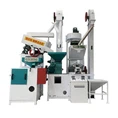


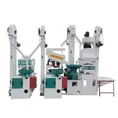
What is Rice Polisher
Rice Polisher It is mainly used for precision processing of rice. Through this machine processing, the bran powder in rice can be effectively removed, making the finished rice clean and transparent, making it an ideal polishing equipment for rice mills.
Why Choose Us
Rich Experience
Providing technical support, troubleshooting, and maintenance services.
Quality Control
We have won a broad market by virtue of its strong technical force, strict quality control and high-quality service.
Our Service
Our service runs throughout the whole production process from the pre-sales, product design, production and after-sales.
One-stop Solution
Support to customers to ensure a smooth transaction.

The material falls into the chute from the feeding mechanism, passes through the operating circular screen, and the coarse impurities screened out by the circular screen flow out from the dedicated discharge port.

It mainly used for raw material cleaning in different industries, such as rice milling, feed and food etc. By replacing screens with different hole size, various granule materials such as rice, wheat, corn etc., which could be cleaned.

It is mainly used to remove stones mixed with particulate products such as rice, wheat, corn, and soybeans. Suitable for grain processing.

It is mainly used to remove stones mixed with particulate products such as rice, wheat, corn, and soybeans. Suitable for grain processing.

The double body gravity paddy separator is a new type of separation equipment in rice milling process. This is beneficial for improving the yield of whole rice in rice milling and enhancing the economic benefits of enterprises. It is one of the key equipment in the rice milling process.

Gravity paddy separator (also known as gravity screen) is a device used in conjunction with rice milling equipment to separate rice husks and brown rice.

It is low-temperature rice mill. New Structure, good mechanical stability and easy disassembly. Higher pressure of suction for milling so as to make broken less, rice higher quality and bran fewer.

Rice Grader (Spring Support Rod Type)
It is a new type of white rice grading equipment that adopts a spring rod structure. It utilizes the difference in rice particle size and achieves the purpose of white rice grading through continuous screening of circular sieve plates with different diameters.

It utilizes the difference in grain types between broken rice and whole rice to perform overlapping rotations on a flat rotating sieve surface, and frictional propulsion to form automatic classification. This equipment is suitable for grading finished rice and also for separating similar granular materials.
Do you have any idea about the rice polishing machines ? Want to explore the uses of a rice polishing machine? Proceed with this guide and find more.
Currently, people's living standards and their dietary structure requirements are improved to the core. Rice is an essential food; hence its quality requirements are increasing every day. Rice polishers are the important machinery of an effective rice processing plant, and hence they are widely useful.
The rice polishing machine comes in two types: mist rice polishers and common rice mill polishers. With these types, you can gain effective uses and explore more impacts.
Impact of Rice Polishing Machine:
The rice polishing machine can be effectively useful for removing floating bran on the rice surface. It will also play a major role in gelatinization and pre-gelatinization of the rice surface. The starch gelatinization can make up for cracks.
With that, you can obtain a clean and bright appearance and enhance the commercial value of rice and storage performance. It consists of a polishing part, sprays water part, air spraying mechanism, water supply system, discharging device and feeding device.
The Essential Parts Are Mentioned Below:
Spray Water Part
It includes mixer, stirring roller, nozzle, feeding screw, flow meter, nozzle cleaner etc. A flow meter present in it can show you how much amount of water you need to add.
Polishing Part
The rice polisher's essential part includes a screen, polishing roller, discharge pressure valve, delivery head, etc.
Advantages of Rice Polishing Machine:
The rice polishing machine enhances the commercial value and grade of the rice. The colloidal layer can extend the shelf life and enhance the antioxidant capacity of rice.
The smooth, crystal clear and clean rice surface can get no panning. It ensures that the taste is delicious and soft, and rice loses fewer nutrients. The taste is delicious and soft, and that can enhance the rice's edible quality.
It can be effectively useful in conjunction with the rice milling unit and for deep rice processing. It has a high-cost performance compact structure and is best for grain enterprises. The equipment is perfect in appearance, generous and simple, and a better assistant for small and medium-sized Rice Mill business.
This machine is effectively useful for polishing white rice through the rice milling process to enhance the smoothness and precision of white rice.
It is the best part of the equipment to produce high-quality polished rice. Stable operation, reasonable technology, convenient maintenance and simple operation highlight this rice polishing machine.

Rice polishing machine gives superior whiteness to rice and is well suited for raw and single boiled rices. In the complete maintenance of rice polisher machine, we can disassemble the motor and maintain it, clean the motor bearing and infuse oil, check the insulation monitoring, make the cooling system perfect, ensure the motor work in the good condition and so on.
The rice polishing machine is equipped with water-cooling system, which can control the processing temperature and ensure the material has no invariance during processing. Inside of the whole grain milling machine is installed the air classification system. These machines are corrosion resistant and are offered with latest advanced functions.
Features and Advantages of Rice Polishing Machine:
● It has specially made stainless steel, screw feeder and cam roller for longer life
● Can convert my machine as semi silky by adding the water
● Infinite adjustment for polishing
● A special blower will minimise the brokens by maintain cool temperature inside the chamber.
● Low maintenance, and easy to operate
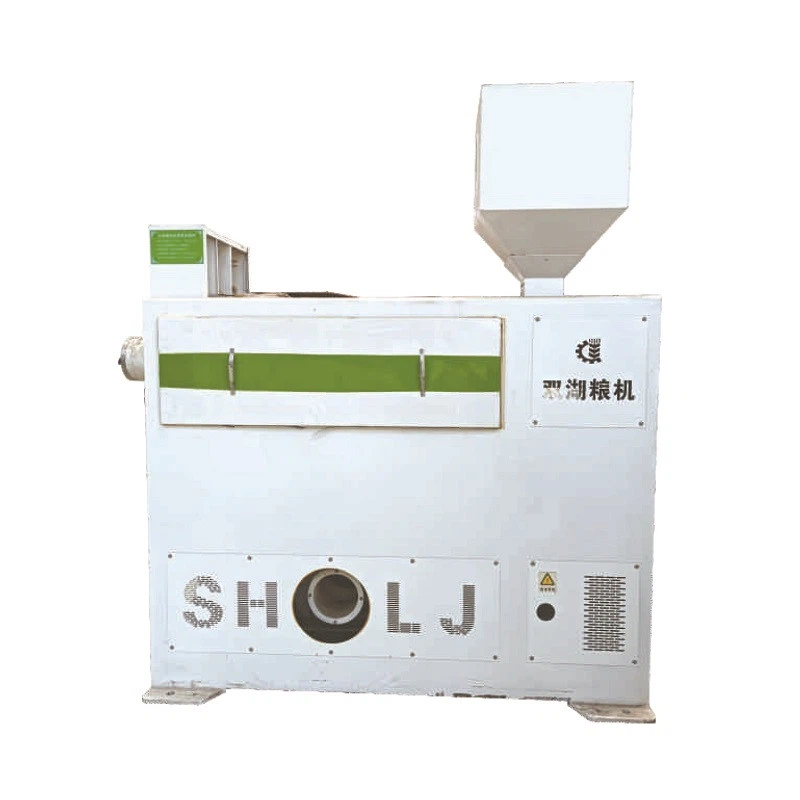
The main structure of various types of rice polishing machines is similar, mainly consisting of a sprayed water part, a polishing part, a water supply system and a blowing mechanism. The feeding device and the discharging device are also important devices of various types of polishing rice machines.
After the rice is shelled, it becomes brown rice. The brown rice removes most of the cortex and part of the embryo and becomes rice. The surface of the white rice has a small amount of rice bran powder, which affects the appearance quality, storage and the taste of the rice. This part of the powder needs to be removed by a "polishing" process. Polishing is one of the key processes in the processing of clean rice. Since polishing can remove the powder on the surface of rice, proper polishing can make the starch on the surface of the rice gelatinize and present a certain brightness. At present, the most popular used is the professional rice polishing machine.
Rice polishing function:
Spraying water part: The sprayed water part is composed of a nozzle, a nozzle cleaner, a water mixer, a feeding screw, a stirring roller, etc. When the material passes through the flow meter, the flow rate is measured, thereby controlling the amount of water added.
Polishing part: The polishing part is the core part of the polishing rice machine, which consists of a feeding spiral, a polishing roll, an octagonal screen cylinder composed of eight rice sieves, and a discharge pressure gate. The polishing roller is divided into iron roller and sand roller according to the material properties. It should be clear that the wire roller speed is higher than the iron roller linear velocity (the iron roller linear velocity is about 5m/s, the polishing pressure is higher, and the average value is 0.1MPa). The line speed of the sand roller is about 15m/s, and the polishing pressure is low, the average value is 0.02MPa).
The rice polishing machine is the necessary equipment for whitening and improving the quality of rice. It is also one of the necessary machines for large and medium-sized rice mills.
Following the development of the times, nowadays people, especially urban communities, are more likely to be happy with white, clean and sparkling rice. Processing of grain into rice will go through various processes and various machines, so as to produce rice that has a high selling value.
To produce white, clean and shiny rice, of course, rice needs to go through a polishing process. This polishing process aims to make the rice look more attractive, white and clean. The term is polished rice to remove the husk of the rice which is dark and dull in color and does not glow and removes the layer of rice bran.
There are several processes that we will encounter in this polishing process. In the early stages, there is rubbing on the surface of the rice to remove the outer layer of brown rice by using a emery roll whitener machine. Then enter the second process, namely the process of re-scouring the rice to produce whiter and smoother rice where this process will use an iron whitener machine to process it.
After the rice is white and smooth, the rice will then go through another polishing process, namely the rice polishing process. This process uses a rice polisher machine or some people call it a "kebi" machine. The working process of this machine resembles an iron polishing machine but is accompanied by high-pressure water spraying so that it resembles a mist.
The whole process above can be done once or several times depending on the desired quality of rice. The more often you go through the rice process, the whiter the rice will be but keep in mind, the more broken rice will be and of course the rice will be thinner. For the Yong Xiang brand machine it can whiten with a very low level of broken rice. This is because the machine uses a jet blower so that the temperature of the rice is not too high. In addition, the polishing machine also has a polishing chamber that is not too long where it can also minimize the risk of broken rice.
With these benefits, many people or rice factory entrepreneurs both at home and abroad have made their choice on the Yong Xiang brand.
How To Use The Rice Polisher?
A rice polisher is a piece of equipment used in the food industry, specifically in the processing of rice. The main function of a rice polisher is to remove the husk and bran layers from the rice kernel, resulting in white or polished rice. Here's how to use a rice polisher effectively:
Preparation: Before using the polisher, ensure that the equipment is clean and in good working condition. Check for any signs of damage, and make sure all moving parts are lubricated if necessary.
Cleaning the Rice: Begin by cleaning the rice to remove any dirt, stones, or debris. This can be done using a pre-cleaner or by hand.
Milling: Pass the rice through a paddy separator to remove the straw and husk. The separated paddy then enters the dehusking unit of the polisher, where the husk is removed, leaving the brown rice.
Polishing: After dehusking, the brown rice moves into the polishing unit. The polisher may have multiple polishing drums with progressively finer abrasives or brushes. As the rice passes through each drum, it becomes increasingly polished, removing the bran layer until the desired level of whiteness is achieved.
Grading: Once polished, the rice is graded according to size and quality. Smaller and broken kernels may be separated out at this stage.
Coating (optional): Some processes may involve coating the polished rice with glucose or other substances to improve appearance and shelf life.
Packaging: After polishing and grading, the rice is cooled and then packaged for storage or sale.
Maintenance: After use, thoroughly clean the rice polisher to prevent buildup of residue and ensure hygiene. Regular maintenance is crucial to keep the polisher running efficiently and its lifespan.
It is important to follow the manufacturer's instructions when operating the rice polisher, as different models may have specific features and operational requirements. Safety precautions should always be observed, including wearing protective gear and ensuring that the machine is properly grounded to avoid electrical hazards.
What is Rice Polishing Ratio?


What's the purpose of Rice Polishing?
Rice polishing is one of the most important steps in sake brewing. Seimaibuai indicates how much of the rice remains. For example, 60% Rice Polishing Ratio means 40% of rice is polished away and 60% of rice remains. Brewers decide how much of the rice should be broken down and which elements to pursue to compose the sake's flavor and aroma. Rice polishing is one of the important processes to make more premium sake because rice brans and other external elements need to be polished away in this process.
A lower percentage generally means more premium sake. For example, sake with a 50% rice polishing ratio is typically more premium than sake with a 60% rice polishing ratio which indicates that 40% of undesired elements (for this particular brew) has been milled away. There are other factors to creating premium sake such as the type of rice, yeast and technique of brewers, but selecting sake based on rice polishing ratio is a good and easy method for beginners.
How does rice polishing make sake taste different?
Rice polishing removes the exterior portion of the rice which is made up of protein and fat, leaving the interior which is made up of starch. Starch is used in saccharification (the conversion of starch to sugar) which is necessary to brew alcohol. However, exessive amount of protein and fat give sake less desirable taste like bitterness or sourness. Premium sake, which has a lower percentage of rice polishing ratio, tends to be a clearer sake.
How is rice polished?
Vertical rice polishing machines are used in this process. A few breweries have their own machines and others hire polishing companies to do the task. These machines allow rice to fall down two large, spherical, spinning grindstones. Then, the rice is returned to the top by conveyor belts. This process is continued until the desired polishing ratio is achieved.
For 70% polishing ratio, it takes one day.
For 30% polishing ratio, it takes three days.
The global rice polishing market is expected to grow at a CAGR of 5.5% in the forecast period from 2023 to 2033. The rice polishing market is projected to reach a valuation of US$ 1,9917 Million by the end of 2033. It is set to be valued at US$ 1,166.0 Million in 2023.
A rice polishing machine is a system used to switch the physical position of rice. A rice polishing machine is a rugged machine that uses talc and other erratic contaminants to polish the outer bottom of rice grains. The rice polishing system polishes the rice soil by spraying water from the combination chamber and using a rubbing and milling roller to grind most grains.
There are various types of rice polishing machines such as vertical cone grinders and horizontal grinders. The global rice polishing machines market is expected to grow rapidly during the forecast period due to rising demand for these machines from the rice milling industry.
The rapidly expanding restaurant and food & beverage industries across the globe are also projected to push sales in the rice polishing machines market during the evaluation period. Rice is considered to be the staple food of more than half of the world's population.
Asia Pacific is mainly set to be the leading consumer of rice polishing machines, which would further foster growth in the global market. In addition to that, continuous developments in the field of rice mill machinery, as well as attractive packaging of such machines would drive the market in emerging economies.
A large number of rice producers are nowadays providing a wide range of products such as wild, jasmine, white, and brown rice, among many other types of rice. However, rice is usually measured as a strategic commodity and is often controlled by governments of various countries.
It is because of the role of rice as a staple diet in several developing and developed countries. Increasing demand for high-quality rice from Gulf and European countries is also projected to bolster the global rice polishing machines market in the next ten years.
Rice is considered to be a convenient form of healthy and nutritious food item that is made available to consumers through retail channels. Technological advancements and developments in the field of rice mill machinery are also expected to accelerate growth in the global market. Apart from that, the high demand for fast food and the rising popularity of online food delivery applications across the globe is projected to aid growth.
Our Factory
Our factory covers an area of 43000 square meters, and has more than 100 employees, of which technical personnel account for 10%. Our factory is located in Benniu Town, Xinbei District, Changzhou City, close to the Shanghai-Nanjing Railway, Shanghai-Nanjing Expressway, only 5 kilometers away from Changzhou Airport, the geographical location is very superior.


FAQ
Q: What does a rice polisher do?
Q: What is the function of rice polish?
Q: What is the significance of polishing of rice?
Q: What is the processing of rice polishing?
To whiten rice, you first need to remove the bran from brown rice. Then polish the rice by gently rubbing the rice kernels against each other. This removes the dust and leaves a silky luster – ready to look good on supermarket shelves.
Q: How often do you use rice polish?
Q: What is the difference between whitening and polishing of rice?
Milling is a process that transforms unpolished rice into polished. The process is popularly called "whitening" and involves scraping the first bran layer of unpolished rice. Striping off the layer changes the grain game and decreases its nutritional value to a significant level.
Q: What happens if rice is polished?
Q: How can you tell if rice is polished?
Q: What are the benefits of rice milling?
Q: What is the function of polisher in rice mill?
Q: What is the difference between rice milling and rice polishing?
Q: How efficient is a rice mill?
Q: What are the raw materials for rice mill?
The basic raw material for the unit is paddy which is locally available. The total requirement of paddy for an output of 600 tonnes will be 750 tonnes at recovery rate of 80%.
Q: What are the different of conventional milling and modern milling?
Q: What is the husk of rice mill?
Q: What are the 2 parts of rice that are removed during milling?
Q: Which nutrient is lost during rice milling?
Q: How much power does a rice milling machine use?
Q: What is the use of compressor in rice mill?
Q: How do you calculate rice mill capacity?
Hot Tags: rice polisher, China rice polisher manufacturers, suppliers, factory, Grain rough separator, Complete Set Rice Milling Equipment, rice milling machines plant, Brown Rice Husk Gravity Separator, Rice Sifter Grader, small broken white rice separator


