




Rice Mill
What is Rice Mill
A rice mill is a specialized facility that processes harvested rice paddy, removing impurities, husks, and bran layers to produce polished rice grains. It plays a crucial role in transforming raw rice into the familiar white rice we enjoy on our tables.
Why Choose Us
Rich Experience
Providing technical support, troubleshooting, and maintenance services.
Quality Control
We have won a broad market by virtue of its strong technical force, strict quality control and high-quality service.
Our Service
Our service runs throughout the whole production process from the pre-sales, product design, production and after-sales.
One-stop Solution
Support to customers to ensure a smooth transaction.
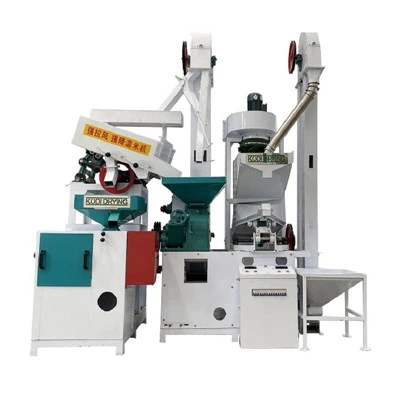

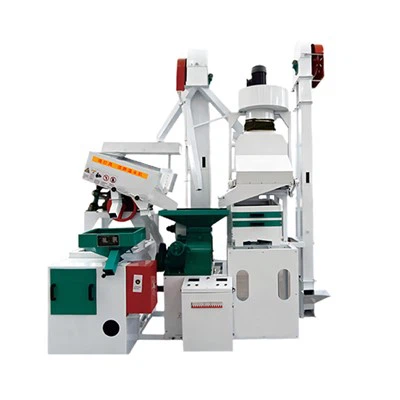
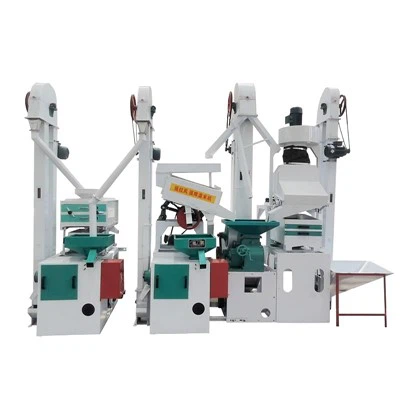
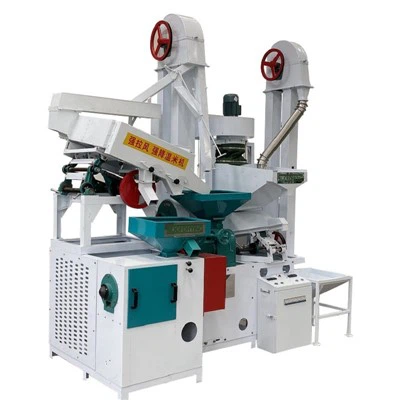
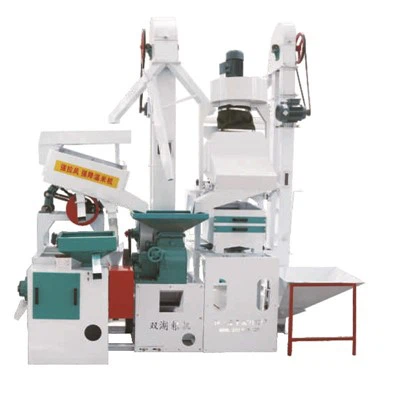


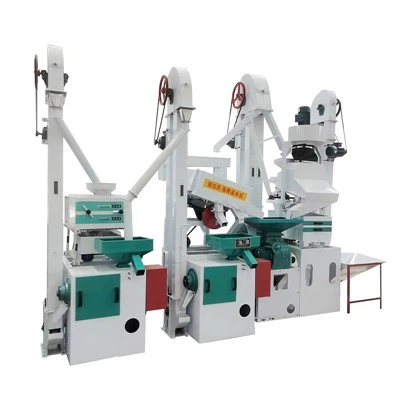


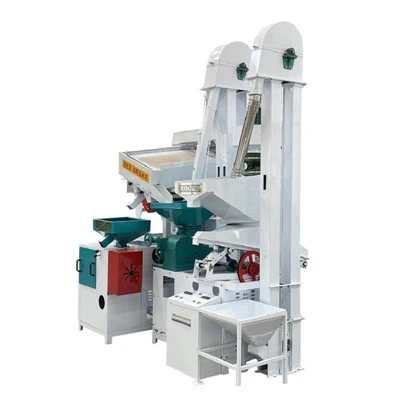
Rice is the staple food in most of the country, including India. People love to eat rice, which is essential for our diet; deficiency in the same may cause Niacin disease. But hardly anyone knows how the paddy gets converted into rice and the importance of the rice mill business.
Rice is a Kharif crop that is sown during the onset of monsoon, i.e., between June and July, and harvested in December. After the harvesting is done, farmers sell their rice to the rice mill owner, and in the mill, further process is done to achieve the fine-quality of rice.
If you are a farmer or entrepreneur and planning to enter the rice business, then just read this full article to know about different rice processes, and the importance of mill and rice mill design.
Step By Step Processes Of How Rice Mill Works?
Cleaning
When the rice mill receives the rice from the farmer, the first process done is cleaning. It helps to separate all impurities like straw, dust, clay, and sand. Cleaning the rice helps to increase the oil percentage in the bran.
Stone Separation
Once cleaning is done, the second process is destining, in which the stones are removed. As we know, during harvesting, many stones come along with the paddy, and the removal of the same is a must.
De-Husking
After cleaning and stone separation, the rice is put in the de-husking machine to separate the husk and paddy. In this process, paddy grain is passed through the abrasive surface, and due to the friction, the husk is removed from the paddy grains.
Paddy Separation
During the de-husking process in the rice mill, some unhooked paddy rice remains, and the removal of the same is done by the paddy separation process.
Rice Polishing
Rice polishing is usually done in the rice to remove the bran layer from the paddy either through friction polisher or abrasive.
Rice Parboiling
Rice Parboiling is a three-layered process in which raw rice is sowed in warm or cold water, and then steam is passed at high pressure to gelatinize the rice starch. In the third layer, the final product goes through the drying process.
Sorting Of Rice
Sorting of rice at the rice mill is done before packaging, and it is very necessary to sort the broken and long grains from the rice stock. After sorting, the rice is graded based on quality.
Packaging
Last but not least, the packaging is the final process, in which the rice is packaged in gunnies or plastic sacks, and thereafter it is weighed. After the above process, a seal is marked to show the weight and grade of the rice.
To Wrap Up
Rice travels a long distance to come into the market from the field. Rice mill is also a lucrative business, and if you want to enter into this business, you need investment, machinery, and much more. Furthermore, proper information for rice mill works is also essential as the same will help you to yield good quality rice from the mill.
During the use of the rice mill, the staff found that there are many advantages and disadvantages, so let's talk about the advantages of the rice mill.
● The rice mill runs smoothly. The bearing only bears radial force, and the bearing stress caused by the unbalanced force and the torque of the whole machine are small. The horizontally mounted white roller has low requirements on manufacturing and assembly; the technical requirements of the corresponding structural components are general.
●The rice mill has a higher rice yield rate, and the spiral groove makes the density of the rice grain fluid uniform over the entire length of the whitening chamber, the tumbling movement is good, and the parts of the rice grain are evenly milled;
● It is convenient and reasonable for the two white rollers to be coaxially combined or combined in a rice milling machine.
● It is convenient to disassemble the sand roller in the horizontal direction of the rice milling machine, saving time and effort.
● The volume and weight of the unit output are small. Due to the large axial pushing force and the large flow rate of the rice grain, the diameter of the whitening roller and the annular area of the whitening chamber are smaller, and the volume of the whole machine is smaller and the weight is the same as that of the vertical rice milling machine. Lighter, combined with lower manufacturing technology requirements and lower cost.

The purpose of a rice mill business is to process raw rice into white rice ready for human consumption. As any journalist could observe, paddy rice straight from the farm contains the rice grain as well as the inedible outer hull and bran layers. These must be removed before people can eat it. A rice mill fulfills this important function through various steps. The rice is first thoroughly cleaned to separate it from foreign objects. Then the hulling process strips away the tough outer hull using abrasive cylinders. After that, the rice undergoes polishing to remove the bran, leaving only the starchy white interior. Milling adds value by transforming rough rice into a finished product that is easy for people to cook and eat. It allows farmers to get a better price for their crops and ensures communities have access to a staple food. For rice mill owners, operating this link in the supply chain can therefore be a profitable venture that serves both agricultural and nutritional needs.
If you've ever wondered what a rice mill does and how it contributes to the production of the finest rice grains, you've come to the right place.
A rice mill is a specialized facility that processes harvested rice paddy, removing impurities, husks, and bran layers to produce polished rice grains. It plays a crucial role in transforming raw rice into the familiar white rice we enjoy on our tables.
The Essence of a Rice Mill
A rice mill is a specialized facility designed for the processing and refining of rice grains harvested from fields. Its primary function is to transform raw, harvested rice paddy into the polished rice grains that make their way to your table. The journey of rice through a mill involves several crucial stages:
Cleaning and Dehusking
The process begins with cleaning the harvested rice paddy to remove dirt, dust, and other impurities. Once cleaned, the outer husk of the rice grain is removed through a process called dehusking. This results in brown rice, which still retains its bran layer and germ.
Whitening
To produce the familiar white rice that many of us are accustomed to, the brown rice undergoes further processing. In the whitening stage, a rice mill removes the bran layer from the rice, leaving behind the inner, starchy kernel. This process is what gives white rice its pristine appearance.
Polishing
After whitening, the rice undergoes polishing to remove any remaining bran residue and achieve a smooth, glossy appearance. This step also enhances the rice's cooking properties and shelf life.
Grading and Sorting
Once the rice is polished, it is graded and sorted based on size, quality, and appearance. This ensures that each batch of rice meets specific quality standards and customer preferences.
Packaging
The final stage involves packaging the rice into various formats, such as bags, containers, or bulk shipments, ready for distribution to consumers, retailers, and other businesses.
The Importance of Quality Control
Throughout the milling process, quality control measures are implemented to ensure that the rice meets stringent standards for taste, texture, and appearance. Quality control checks are carried out at various stages, from cleaning to packaging, to guarantee that only the finest rice makes its way to your kitchen.
Rice Mill Machinery Parts
Rice Mill machines are available in the various sizes and shapes depending on the type of operation and the end product that has to be performed. The two most important things, the workpiece, the cutter practically remain the same in every milling process. The following are the components in the modern rice milling operations:
Base and column
This is one of the components in the milling machine that sits on the ground and is required to support the machine. It has a large column that is attached to the base and is connected to the other components.
Table
When the workpiece is mounted on the platform, that is called a table. It sits in a T form and is attached along its surface. It is secured with the vise and then can be clamped on the three slots directly.
Saddle
It is also a part of the table that allows the milling machine to move in the longitudinal motion. It can also move in the horizontal section of the workpiece in the Y direction along with other platform called the knee.
Knee
It supports the saddle and the table in all the milling operations. It can also be referred to as the column and aids in the vertical motion of the workpiece. It can move vertically when the cutter is stationary. When the cutter is moving in the vertical direction, then the cutter is stationary. This aids in cutting the workpiece and effective milling operation.
Rice Milling Process
It is very important that you know what milling is all about before you start the process cycle. The total time required to produce rice includes two things, one is the initial setup time and the other is the cycle time for each part.
The setup time of a milling machine includes the time required to make its operation, plan all the tool movements and install the fixtures in the milling machine. The cycle time, however, is depended on four things.
The load and unload time
This is the time required to load the workpiece into the machine and then secure it with the fixture. It also includes the time to unload the finished part. The load time is different in different milling machines depending on the size, weight, complexity of the workpiece and the type of fixture.
The cut time
It is the amount of time taken to make all the necessary cuts with the help of the cutter in the workpiece for each operation. In order to calculate the cut time for any operation, you have to divide the total cut length for the operation with the feed rate. This gives the operation speed of the cutter relative to the workpiece.
The ideal time
It is also defined as the non-productive time in a milling operation. This is the time when neither the workpiece nor the cutter is engaged in the milling process. This includes all those processes like the tool approaching and retracting from the workpiece, tool movements between features, the time required for adjustment of the machine settings and the changing tools.
The tool replacement time
This is the amount of time required to replace a tool that has exceeded its time of operation and has worn out effectively.
This time isn't included in all the operation and is taken into consideration when the tool has reached its lifetime. This time has to be adjusted in the entire milling process.
Rice Milling Operation Cost
There are three different types of cost drivers in the rice mill operation.
Material cost
This is determined with the help of the quantity of the stock and the unit price of it. This determines the workpiece, size, stock size, method of cutting the stock and the production quantity of it.
Production cost
This is a result of the total production time and the hourly rate. This includes the setup time, load time, cut time, idle time and the tool replacement time. The entire production cost is dependent on the skill of the operator.
Tooling cost
This is determined by the total number of cutting tools required and the unit price for each tool. There are a number of unique tools that are required for the various operations to be performed. With the daily uses of the tools, the lifetime of a tool is reduced.
Rice milling is one of the important processes & modern rice mill machines are required for the proper dimension of the rice that is prepared.
About Small Rice Mills, Several Things You Need to Know
What Is the Small Rice Mill Used For
The rice milling machine is mainly composed of power, feed, milling, and separation systems. The mechanical force generated by the milling machine is used to dehulling and whiten brown rice, and the mechanical equipment used is called a rice mill. There are three main types of small rice miller machines: separate rice mills, combined rice dehulling and milling machines, and air-jet rice mills. One of the most popular is the combined rice dehulling and milling machine.
The mini rice mill is a new generation product, which can complete the work of dehulling and grinding. It mainly used for rice processing, but also sorghum or larger millet. During processing, the rice husk is first peeled and then whitened. The whitening degree can be adjusted according to customer needs. Brown rice, germ rice, and polished rice can be produced.
What Are the Advantages of a Mini Rice Mill
The small rice mill machine is relatively small in size, simple in structure, low in price. It is easy to install and operate, and easy to transport. Many people like small rice mills. The mini rice mill is suitable for removing part or all of the dark brown husk. Separating paddy from rice during production and processing to improve work efficiency and improve rice quality. The production and processing of a small rice milling machine not only preserves the freshness of rice but also preserves its initial color, fineness, and nutrient content of rice.
How to Improve the Efficiency of Small Rice Milling Machine
The main basis for the adjustment of the rolling distance is the requirement for the grinding effect of a single rice mill machine in the rice processing technology. The main purpose of rolling distance adjustment is to make the grinding rate of the equipment meet the technological requirements. Frequent maintenance and maintenance of processing equipment can improve work efficiency. When small rice mills are running, they often leave some impurities in corners. These impurities will become very difficult to clean, which will increase the abrasion of the small rice mills and cause the milling quality of the processing equipment. decline. Do a good job of lubricating and sealing for small rice mills, so as to ensure that small rice mills do not experience high temperatures, avoid malfunctions, and improve efficiency.
What Is the Mini Rice Mill Machine Price
Mini rice mills are recognized by users in various countries in terms of performance, processing, and appearance. It has the characteristics of small size, flexible operation, and convenience, and is most suitable for use in supermarkets, retail, and small processing points. So the price of a small rice mill is something that every family can afford. Of course, it will vary according to the model, output, and other factors, but the price is relatively cheap.
Advantages and Characteristics of Rice Mill Complete Equipment


With the strengthening of the globalization trend and the acceleration of China's informatization construction, the production and service efficiency requirements of various industries continue to increase, people's lives are also getting better and better, and the requirements for the quality of life are getting higher and higher. Security issues have a new awareness and attention.
Rice is one of the staple foods of our daily life. It is an indispensable food every day. It has higher requirements for the safety, nutrition and taste of rice. The rice we usually eat is bought in major supermarkets and grain and oil stores, and these rice are processed by large-scale rice milling machines using complete sets of equipment. After multiple processing procedures, they are processed, and some are even polished and beaten. Wax, added flavors, etc., the nutritional value of rice is lost a lot, the taste is not very good, and there are hidden safety hazards. In order to eliminate these concerns, intelligent rice milling machines came into being.
The smart rice mill is a technology that allows customers to buy freshly milled rice by grinding and selling rice on the spot. Compared with the traditional rice sales model, self-service rice milling has "now milling" and "self-service" etc. Quite a lot of advantages, here is for everyone:
● "Rice milling" makes rice safer, more reliable, fresh, nutritious and healthy. Rest assured.
Because the customer operates the intelligent rice milling machine for self-service instant rice milling, which allows customers to visually see the entire rice milling process, eliminating the possibility of adding during the rice processing, and the processed rice will be displayed directly In the eyes of customers, it is easy for customers to distinguish between good and bad, which prevents the rice from being mixed with bad and bad. This process of rice milling effectively guarantees the safety and reliability of self-service rice milling. However, the benefits of rice milling do not stop there. Studies have found that the nutrients contained in rice milling are much higher than those in ordinary supermarkets. For the polished rice sold, many active nutrients in the freshly polished rice that have just been processed have not been oxidized, and the nutrient preservation is relatively high; in addition, the intelligent freshly-milled rice selling machine can also perform different degrees of rice grains through the "change precision" option. The milling process produces green nutritious foods such as brown rice, germ rice, and left-germ rice. The "milled and sold now" model can just make these types of rice reach the customers when the nutrition is well preserved. Compared with the traditional rice selling model, the advantages of rice are beyond doubt.
● "Self-help" allows customers to have a better experience and save resources. Have fun.
The carrier of self-service rice milling is the intelligent rice milling and selling machine. Compared with traditional rice shop supermarkets and other rice shops, the intelligent rice milling and selling machine greatly saves human resources. Due to its small area, land occupation fees Less, and with better flexibility, can penetrate into communities and some remote places, get closer to people's lives, and make people more convenient. The quick payment function of the smart rice vending machine is also in line with the changes of the times. Unlike traditional coin-operated self-service vending machines, the smart rice vending machine supports WeChat payment and Alipay payment. You only need to scan the QR code on the payment interface. , You can complete the payment operation, even those who don't know how to use mobile phones can apply for a membership card for consumption. It is the characteristics of the intelligent rice milling and selling machine that make the self-service rice milling "self-service" can bring customers a better experience and gain more market competitiveness.
The advantages of self-service rice milling are also reflected in the longer storage time of rice and more profit channels, which are not available in the traditional rice sales model. Times are changing, and exploration and innovation are the eternal melody of this era. Self-service rice milling is an attempt by Guangdong Dongji Intelligent Equipment Co., Ltd. and other companies to explore a healthier way of eating rice. It is a bold innovation and change made in the traditional rice sales model, which is more in line with people eating rice today. The demand is a well-deserved leader in new things in the new era.
Our Factory
Our factory covers an area of 43000 square meters, and has more than 100 employees, of which technical personnel account for 10%. Our factory is located in Benniu Town, Xinbei District, Changzhou City, close to the Shanghai-Nanjing Railway, Shanghai-Nanjing Expressway, only 5 kilometers away from Changzhou Airport, the geographical location is very superior.


FAQ
Q: What are the two main types of rice mill?
Q: What are the effects of rice mill?
Q: What happens when you mill rice?
Q: Is milled rice better?
Q: Why do they mill rice?
Q: Can you mill rice at home?
Q: What is the yield of rice milling?
Q: What is the recovery rate for rice milling?
Q: What is the brief description of rice mill?
Q: How do you use a rice milling machine?
Pre-cleaning the paddy prior to milling.
Removing the husk or outer layer from the paddy.
Rice milling section.
Polishing or whiting the brown rice to remove the bran layer.
Separating the broken grains from the whole kernels.
Color Sorting.
Bagging the milled rice.
Q: What is modern rice milling process?
Q: What is the traditional method of rice mill?
Q: What are the raw materials for rice mill?
The basic raw material for the unit is paddy which is locally available. The total requirement of paddy for an output of 600 tonnes will be 750 tonnes at recovery rate of 80%.
Q: What are the different of conventional milling and modern milling?
Q: What is the husk of rice mill?
Q: What are the 2 parts of rice that are removed during milling?
Q: Which nutrient is lost during rice milling?
Q: How much power does a rice milling machine use?
Q: What is the use of compressor in rice mill?
Q: How do you calculate rice mill capacity?
As one of the leading rice mill manufacturers and suppliers in China, we warmly welcome you to buy discount rice mill made in China here from our factory. For price consultation, contact us.
integrated rice mill, rice color sorting machine, white rice graded sieve