




Rice Milling Line
Definition of Rice Milling Line
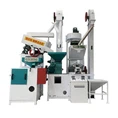
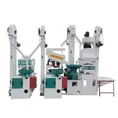
Rice milling production line is the on-line production of brown rice into white rice, but also the rice can be ground into standard white rice at a time.bran and rice can be separated by themselves. The rice can be processed into the most ideal white rice at one time, the finished rice is bright and crystal clear, the rice temperature is low, the broken rice is less, the bran rice is separated completely, the chaff is fine.
Why Choose Us
Rich Experience
Providing technical support, troubleshooting, and maintenance services.
Quality Control
We have won a broad market by virtue of its strong technical force, strict quality control and high-quality service.
Our Service
Our service runs throughout the whole production process from the pre-sales, product design, production and after-sales.
One-stop Solution
Support to customers to ensure a smooth transaction.

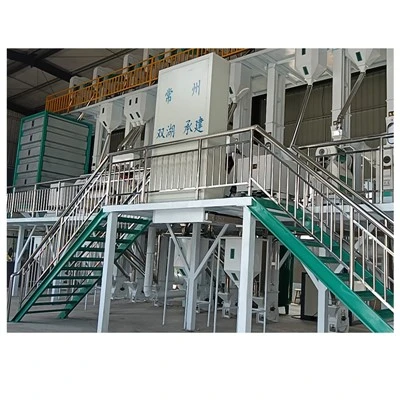
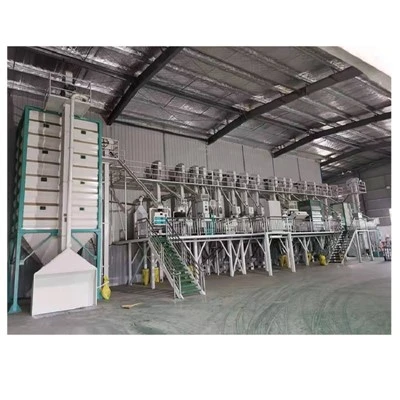
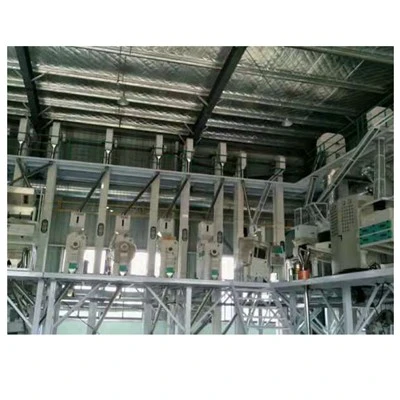
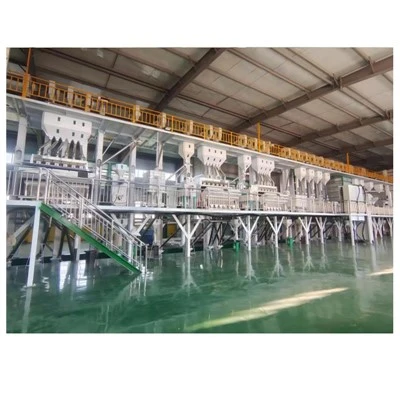
Advanced Milling Technology
With its unique rice milling technique, each granule of rice can be evenly unshelled, whitened and polished while keeping close contact with the emery roller, producing less broken rice and bring higher milled rice rate.
Advanced Rice Milling Plant
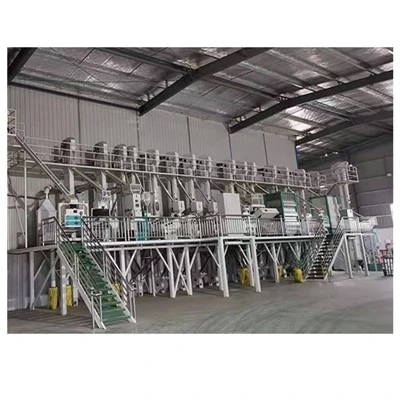
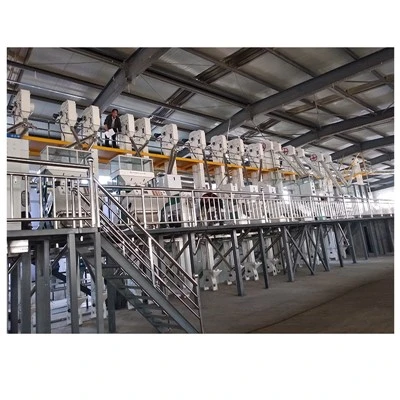
The equipment is equipped with our efficient cleaning equipment, high efficiency dehulling equipment, new grinding equipment and efficient rice classification equipment. The application of these new technologies and equipment makes high yield, low broken increment and brighter rice color.
Widely Application
This integrated rice milling line can be used to process both long-grain rice and short-grain rice(round rice), suitable to produce both white rice and parboiled rice, high output rate, low broken rate.
Perfect Process
The complete set of equipment from the raw grain cleaning, removing the stone, multi-stage dehulling, multi-stage grinding and polishing, to rice grading,packing and power distribution all realize automatic continuous operation, smooth process, easy operation and maintenance.
Customer Design
Craft work can be designed specially, combined flexibly and processed into different kinds of excellent rice according to different client's need.
Low Energy Consumption
The set of complete sets of rice mill production line are new models to avoid the traditional high energy consumption. Low noise and smooth operation.

Fraction-type rice milling machine
The fraction-type rice milling machine relies on the strong friction of an iron roller to process brown rice into white. It is also commonly referred to as a pressure-type rice milling machine. The machine processes rice by the action of advancing and flipping off the iron roller. This movement causes strong collision, squeezing, and friction between rice particles. Then in the whiting chamber, there are components that separate the endosperm and cotyledon of brown rice to attain white rice.
Grind rice milling machine
The grind rice milling machine removes the bran layers by grinding and cutting rice grains using the emery roller at high speeds ranging from 10 to 16 grains per second. This results in lower rice breakage and increases the output of white rice. There are two types of rice milling machines: vertical and horizontal types.
Cost
Buyers should begin by determining the approximate cost of setting up rice mills. The cost is dependent on various factors like the level of technology, capacity, raw materials, land availability, and personnel hired. Generally, simple rice millers are the most common due to their affordability and cost-effectiveness. The average price for simple rice processing machines is approximately USD 500. On the other hand, there are more advanced rice millers for large-scale and commercial purposes that cost more. This is because they offer more features like minimized rice breakage. Their average cost starts as low as USD 700.
Production rate
The production rate of the rice milling process depends on the performance of the processed rice recovery and quality. This is also referred to as the milling potential which is affected by the type of rice, pre-milling processes, and the quality of the rice. For polished white rice, the machine milling rates average about 72% of rough rice weight. Most rice millers produce about 20% byproducts of rough rice weight. These include broken rice and rice hulls. Rice germ averages about 8%. Buyers should opt for the most efficient rice millers that ensure the highest rice quality.
Power equipment
The rice milling industry uses various types of energy to produce power during rice processing. These energy sources include thermal, mechanical, electrical, and human energy. Electricity is the main source of power used to run rice millers. Some of the components that require power include boilers, pumps, blowers, motors and transmission systems. Buyers should select rice millers that use easily available power. The machines should consume less power while producing quality rice. Modern rice milling equipment is estimated to consume an energy of about 9.54*10^5 J/kg. This energy consumption results in a broken husks percentage range of 10-20%.
Execution type
The execution type divides the rice milling machines based on their mechanical milling properties. The two types include grind rice and fraction-type milling machines. The fraction-type rice miller uses the friction of the iron roller to produce white rice. On the other hand, the grind rice miller gets rid of the bran layer by cutting and grinding the rice grains. Grind rice milling equipment is faster than fraction-type rice millers. It has a roller line speed of about 15 m/ sec which results in less broken rice. Notably, these machines can easily grind rice with harder layers as compared to the fraction-type rice milling equipment.
Speed
Considering the speed of rice milling machines, an engine rotation speed of 1,237 rpm gives an average stripping efficiency of 46.3%. This determines how fast the rice grain cortex is ground, divided, peeled and eventually whitened. Buyers should know that an optimum speed rice milling machine will produce about 50-72% head rice (whole kernels), 5-10% large broken, and 10-15% small broken kernels. Also, sometimes, the slow speed of rice milling may be due to dirty rice.
Summary
The rapid upgrades in agricultural machinery have made machines that deal with rice processing more advanced. As a result, buyers need to know the basic functionality of rice milling machines. This will greatly help them in the choice of the most appropriate rice milling equipment for their production lines. The above guide outlines the essential considerations to be taken into account by buyers when investing in the most suitable rice milling machinery. To read more, or to acquire high-efficiency rice milling equipment, visit Alibaba.com.
Complete rice milling plant mill the paddy in stages, and hence are called multi-stage or multi-pass rice mills. The objective of commercial rice milling is to reduce mechanical stresses and heat buildup in the grain, thereby minimizing grain breakage and producing uniformly polished grain. Compared to village-level systems, the commercial milling system is a more sophisticated system configured to maximize the process of producing well-milled, whole grains.
Modern Rice Milling Processes Consist of:
Pre-cleaning: Removing all impurities and unfilled grains from the paddy
De-stoning: Separating small stones from the paddy
Husking: Removing the husk from the paddy
Husk aspiration: Separating the husk from the brown rice/unhusked paddy
Paddy separation: Separating the unhusked paddy from the brown rice
Whitening: Removing all or part of the bran layer and germ from the brown rice
Polishing: Improving the appearance of milled rice by removing remaining bran particles and by polishing the exterior of the milled kernel
Shifting: Separating small impurities or chips from the milled rice
Length grading: Separating small and large brokens from the head rice
Blending: Mix head rice with predetermined amount of brokens, as required by the customer
Weighing and bagging: Preparing milled rice for transport to the customer

Overview of Rice Mill Machine
The rice mill is a piece of special equipment for inspecting the yield of rice, and it is also a necessary brown rice whitening equipment for rice quality inspection. The friction between the sand roller (or iron roller) and the brown rice grains in the grinding cavity of the rice mill machine is used to remove most or all of the chaff. Among them, the emery roller in the rice milling cavity increases the whiteness of the rice, and the iron roller increases the brightness of the rice. By controlling the amount of brown rice and milling time, the brown rice is milled into white rice with different precisions. The rice milling quality of the rice mill machine is closely related to the rice polishing rate. Rice polisher always used in the rice milling process.
Preparation Work before Using the Rice Mill
Before using the rice milling machine, you should carefully read the instruction manual to help you use the machine correctly. At the same time, you should pay attention to some details, especially the determination of the milling time, which can help you turn brown rice into white rice with higher quality.
Understand and be familiar with the grinding cavity and grinding wheel. The weight of brown rice in the rice milling process of each rice mill machine is the same, but the time to mill to the same precision is slightly different. Therefore, we have to explore and determine the rice milling time of different grain rice to obtain the best rice milling effect.
Determining the rice milling time: In order to obtain the best rice milling effect, users should determine the milling time of different grains of brown rice several times to find the best rice milling time and amount of brown rice when using the rice mill, reduce the broken rice rate.
Maintenance and Precautions of the Rice Mill Machine
The rotation direction of the grinding wheel is left-handed. Before use, check whether the fastening screws are tightened and there must be no looseness.
When starting to mill rice, start the instrument first. After the grinding wheel is rotated, the brown rice can be added. Otherwise, the motor will be burnt out because of being stuck by the brown rice.
When the timer starts to sound, please immediately pull out the insert above the rice mill hopper, wait for the rice to flow into the hopper, and then stop the machine. If the brown rice in the mill cavity has not flowed out, you can use jog to continue rotating until the flow is complete.
After each use, turn off the power first, and then clean the grinding cavity and grinding wheel.
When the rice milling time is significantly longer than before, the grinding wheel can be cleaned with a hard brush; if there is still no change, the grinding wheel should be replaced.
When you start to determine the rice milling time, you can view the color of the bran powder through the transparent window of the hopper. First, determine the degree of whitening of the rice, so you don't need to stop the machine frequently to watch.
How to Maintain Rice Milling Plant
Before starting the rice milling equipment, check the rice sieve, rice knife, drum core, and other parts to see if the bolts and nuts are tightened.
Every 2 days of work, clean the dust in the machine, the screen surface, and the electrical appliances to prevent agglomeration (blow out the dust in the electrical appliances with the wind, and the effect is better)
Frequently check the flexibility of the pressure door to ensure the smooth flow of the rice outlet. Frequently check the belt tension.
Add lubricant to each bearing every 3 months to ensure lubrication. Do not put the machine upside down, and handle it with care.
The chaff powder collected by the cloth bag exceeds 2/5 of the cloth bag, and the machine needs to be shut down to discard the chaff powder to prevent the fan of the rice mill from clogging and affecting the rice quality.
How Does A Rice Mill Work?
Rice is the staple food in most of the country, including India. People love to eat rice, which is essential for our diet; deficiency in the same may cause Niacin disease. But hardly anyone knows how the paddy gets converted into rice and the importance of the rice mill business.
Rice is a Kharif crop that is sown during the onset of monsoon, i.e., between June and July, and harvested in December. After the harvesting is done, farmers sell their rice to the rice mill owner, and in the mill, further process is done to achieve the fine-quality of rice.
If you are a farmer or entrepreneur and planning to enter the rice business, then just read this full article to know about different rice processes, and the importance of mill and rice mill design.
Step By Step Processes Of How Rice Mill Works?
Cleaning
When the rice mill receives the rice from the farmer, the first process done is cleaning. It helps to separate all impurities like straw, dust, clay, and sand. Cleaning the rice helps to increase the oil percentage in the bran.
Stone Separation
Once cleaning is done, the second process is destining, in which the stones are removed. As we know, during harvesting, many stones come along with the paddy, and the removal of the same is a must.
De-Husking
After cleaning and stone separation, the rice is put in the de-husking machine to separate the husk and paddy. In this process, paddy grain is passed through the abrasive surface, and due to the friction, the husk is removed from the paddy grains.
Paddy Separation
During the de-husking process in the rice mill, some unhooked paddy rice remains, and the removal of the same is done by the paddy separation process.
Rice Polishing
Rice polishing is usually done in the rice to remove the bran layer from the paddy either through friction polisher or abrasive.
Rice Parboiling
Rice Parboiling is a three-layered process in which raw rice is sowed in warm or cold water, and then steam is passed at high pressure to gelatinize the rice starch. In the third layer, the final product goes through the drying process.
Sorting Of Rice
Sorting of rice at the rice mill is done before packaging, and it is very necessary to sort the broken and long grains from the rice stock. After sorting, the rice is graded based on quality.
Packaging
Last but not least, the packaging is the final process, in which the rice is packaged in gunnies or plastic sacks, and thereafter it is weighed. After the above process, a seal is marked to show the weight and grade of the rice.
To Wrap Up
Rice travels a long distance to come into the market from the field. Rice mill is also a lucrative business, and if you want to enter into this business, you need investment, machinery, and much more. Furthermore, proper information for rice mill works is also essential as the same will help you to yield good quality rice from the mill.
Rice Milling Line Development has Become the Trend of the Times
The Rice Milling Line can process round-grained,glutinous,yellow,white,green,black,fragrant millet and sorghum rice. The products, millet and sorghum rice, are suitable for market needs by creating high economic value with large yield, good color and purity.
We not only have the Rice Milling Line, we also have various rice processing machines: Grain dryer, to guarantee the paddy quality with less moldy grain, and milled rice quality with less percent of cracked rice; Rice noodle machine, to produce tasty instant and vermicelli rice noodles; Rice husk grinding machine, to make full use of the byproduct from rice milling for feed production, power generation or be as fuel; Rice bran oil production line, to achieve the rice bran oil; Biomass generator, to utilize the rice husk, sawdust, bark, or others to generate the electricity. In recent years, our Rice Milling Line receives unanimous favorable comment of customer.
The Rice Milling Line has advantages of advanced technic, fine and specialized quality, scientific arrangement, low power and high extracting, widely used in food and grain processing plants. The core equipments grain national parent. Rice Milling Line is the most ideal machine to process paddy into white rice. It's can produce rice 600-800kg per hour, so it's the ideal mini complete set rice mill in the series complete set of rice processing equipment at present.
Our Factory
Our factory covers an area of 43000 square meters, and has more than 100 employees, of which technical personnel account for 10%. Our factory is located in Benniu Town, Xinbei District, Changzhou City, close to the Shanghai-Nanjing Railway, Shanghai-Nanjing Expressway, only 5 kilometers away from Changzhou Airport, the geographical location is very superior.


FAQ
Q: What is the purpose of rice milling?
Q: What is the difference between rice milling and rice polishing?
Q: What is the modern rice milling process?
Q: Is milled rice better?
Q: Why do they mill rice?
Q: Can you mill rice at home?
Q: What is the yield of rice milling?
Q: What is the recovery rate for rice milling?
Q: What is the brief description of rice mill?
Q: How do you use a rice milling machine?
Pre-cleaning the paddy prior to milling.
Removing the husk or outer layer from the paddy.
Rice milling section.
Polishing or whiting the brown rice to remove the bran layer.
Separating the broken grains from the whole kernels.
Color Sorting.
Bagging the milled rice.
Q: What is the waste product of rice?
Q: What is the traditional method of rice mill?
Q: What are the raw materials for rice mill?
The basic raw material for the unit is paddy which is locally available. The total requirement of paddy for an output of 600 tonnes will be 750 tonnes at recovery rate of 80%.
Q: What are the different of conventional milling and modern milling?
Q: What is the husk of rice mill?
Q: What are the 2 parts of rice that are removed during milling?
Q: Which nutrient is lost during rice milling?
Q: How much power does a rice milling machine use?
Q: What is the use of compressor in rice mill?
Q: How do you calculate rice mill capacity?
As one of the leading rice milling line manufacturers and suppliers in China, we warmly welcome you to buy discount rice milling line made in China here from our factory. For price consultation, contact us.
1000kg h Rice Mill, 15 tons combined rice mill, Gravity Butterfly Paddy Rice Separator Machine